How could we share our research findings with athletic populations?

Alister McCormick, Plymouth Marjon University, @ACM_SportPsych

Think about the intended beneficiaries of your research. How many of this population benefit from your research? How do your research findings get to them? Is there a risk that your research is being wasted, through not getting to them? How would this population prefer to get guidance and information that is based on your research findings?

The sport and exercise psychology community conduct a lot of research. As an applied profession, this research has the potential to benefit a range of athletic populations, including athletes, parents, coaches, practitioners such as sport therapists and rehabilitators, and recreational exercisers. Within these populations, research has the potential to impact outcomes relating to performance, health, injury, wellbeing, and quality of experience. Sport and exercise psychology researchers who want people to benefit from their research need to consider ways of sharing their findings so that people find and then engage with them. The sport and exercise psychology community are generally effective at sharing their research findings within the academic community, particularly through journal articles and academic conferences. So that our findings reach athletic, non-academic populations, it is important to also share findings using ways like websites and magazine articles, and to use different communication styles – Sommer (2006) referred to this as “dual dissemination”.

My own research to date has focused on endurance sports and demonstrated that psychological interventions can benefit the performances of people who participate or compete in endurance sports (for reviews, see McCormick, Meijen, & Marcora, 2015; McCormick, Meijen, Anstiss, & Jones, 2019). Thousands of people recreationally participate in endurance sports competitively and non-competitively, and most of these will not have access to a psychology practitioner who has read my research. I therefore wondered, how should I share my research-informed advice and guidance, in order to maximise its reach and impact?

To answer this question, I conducted a piece of research with Paul Anstiss and David Lavallee (McCormick, Anstiss, & Lavallee, 2018), which aimed to answer the following research questions: How do endurance-sport participants and athletes acquire guidance on psychological aspects of training for, preparing for, and performing in endurance events? And, what are their preferences for receiving psychological guidance? People in the UK (N = 574) who participated competitively or non-competitively in running (5km and greater), road cycling (time trials, road races, or sportives), or triathlon events completed an online survey. The main survey questions addressed how they have intentionally looked for psychological guidance in the last year, how they have got guidance without looking for it, and their preferences for receiving guidance. We found that the most common ways of intentionally finding guidance were looking on websites (48.1% of participants), asking other athletes (46.7%), and asking coaches (32.5%). People most commonly tried to find guidance on coping, motivation, and managing nerves. In relation to finding guidance without looking for it, we found that posts on social media (51.3%), spoken word (48.0%), and magazines (45.9%) were common ways of getting guidance. Other athletes (68.1%) and coaches (40.4%) were most often a source of guidance. Websites (49.5%) and online videos (41.8%) were the most preferred ways of receiving guidance, although others were psychologists working with coaches (35.5%) and event organisers (34.8%), and through reading about findings in magazines (34.7%).

Based on our findings, I encourage researchers to share evidence-based guidance using websites, online videos, social media, magazines, and by working with coaches and event organisers. Research conducted to date offers tips on how to communicate guidance with athletic populations: the language used should be accessible and user-friendly; content should be kept concise and simple; guidance should be practical and made concrete through specific examples, activities, exercises, tools, and materials (rather than just informational content); and downloadable resources such as workbooks and activities are likely to be helpful. These suggestions and other considerations such as required skillsets and media ethics are explored within the journal article (McCormick, Anstiss, & Lavallee, 2018).

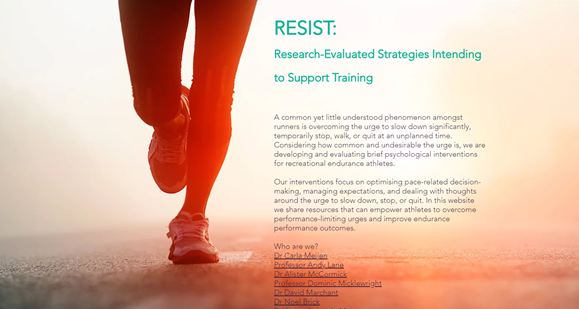
RESIST, a DSEP-funded research working group (which stands for Research-evaluated Endurance Strategies Intending to Support Training) has engaged with these ways of sharing evidence-based guidance on how to overcome the urge to stop, slow down, walk, or quit during endurance events. In particular, we have launched a website that includes evidence-based written guidance and online videos relating to how to overcome the urge to stop, including using psychological strategies such as if-then planning, self-talk, pacing decision making, goal setting, cueing techniques, controlling attentional focus, and re-appraisal (www.resist-stopping.com).
Looking forward to the future, it would be great to see sport and exercise psychology researchers sharing guidance and suggestions based on their research, using ways such as websites, online videos, social media, magazines, and by working with coaches and event organisers. It would also be great to see experimental research testing the effects of interventions that are delivered in these preferable and realistic formats.

For further detail on the study findings check out the full open access paper: McCormick, A., Anstiss, P. A., & Lavallee, D. (2018). Endurance athletes’ current and preferred ways of getting psychological guidance. International Journal of Sport and Exercise Psychology, 1-14. https://marjon.collections.crest.ac.uk/17244/

References

McCormick, A., Anstiss, P. A., & Lavallee, D. (2018). Endurance athletes’ current and preferred ways of getting psychological guidance. International Journal of Sport and Exercise Psychology. https://doi.org/10.1080/1612197X.2018.1486874

McCormick, A., Meijen, C., Anstiss, P., & Jones, H.S. (2019). Self-regulation in endurance sports: theory, research, and practice. International Review of Sport and Exercise Psychology, 9, 235-264.https://doi.org/10.1080/1750984X.2018.1469161

McCormick, A., Meijen, C., & Marcora, S. (2015). Psychological determinants of whole-body endurance performance. Sports Medicine, 45, 997-1015. https://doi.org/10.1007/s40279-015-0319-6

Sommer, R. (2006). Dual dissemination: Writing for colleagues and the public. American Psychologist, 61, 955–958. https://doi.org/10.1037/0003-066X.61.9.955

The Importance of Choice of Rehabilitation Techniques Following Injury in Footballers

Coral-Jade Oakley, Southampton Solent University, @coraljadeoakley

The original basis for this research project was my enthusiasm to study female footballers – being one myself. In addition, I had previously suffered an ACL tear which came with psychological consequences so I was interested to find out whether other athletes experienced the same effects and whether different rehabilitation programmes may have benefitted them.

Injury is a dominant part of football and the rehabilitation process is becoming more advanced; hence the growing amount of research surrounding male footballers. However, there is little research focusing on females (Junge and Dvorak 2007) and therefore comparing the needs of both genders during rehabilitation. It has been found in previous research that emotional response and cognitive appraisals differ between genders, however, there has been little thought into whether males and females require the same treatment post-injury – researching both genders means that we can predict differences in psychological response (Granito 2002).  This explains the need for this research into the psychological effects of lower limb injury on male and female footballers and the implication this has on choice of rehabilitation techniques.

There are multiple models which can help explain the psychological response of injury: Grief-Response Model (Kubler-Ross 1969), Cognitive-Appraisal Model (Weise-Bjornstal 1998), Biopsychosocial Model (Brewer 2009) and the Integrated Model (Weise-Bjornstal 1998). This research uses these models to determine the cognitive appraisals, emotions and responses experienced by athletes and show how they may explain the differences between genders.

I used a case study, qualitative design to carry out this research project in which I interviewed 4 male and 4 female participants using a semi-structured interview – asking them about their injury experience, opinions on rehabilitation and psychological effects that came with their injury. This naturally adopted a latent, deductive approach which was then analysed through the six stages of thematic analysis. This approach easily outlined common themes in the interview data and I was able to group and order the themes and produce significant results.

Image result for female football injury

The main themes of psychological response to injury were fear of re-injury (an expected result as Tripp et al. (2007) found that both genders suffer from a decreased confidence from fear of re-injury), anxiety and anger/frustration. However, these emotions were different between males and females as they didn’t experience the same psychological response post-injury; hypothesised by previous studies on injury (Santi and Pietrantoni 2013). For example, females felt more anxiety regarding returning to football and attending rehabilitation sessions where-as males experienced more anger and frustration towards their injury. This is important because it suggests that males and females may need different types of rehabilitation depending on the emotions experienced post-injury. In order to determine whether males and females responded differently when experiencing the stress of injury, we need to understand how the feelings and emotions of both genders differ. Newer research supports this; suggesting that females respond differently due to the function and chemistry of the brain (Brizendine 2008).

Moving forward with my findings, the answers given by participants suggested that the emotions experienced by athletes did directly link to their appraisals and perceptions of necessary rehabilitation techniques. For example, the female athletes sought social support from family and friends where-as the male athletes didn’t deem this as necessary for their recovery. Interestingly, athletes that experienced more intense emotions during their rehabilitation process highlighted psychological interventions such as imagery and self-talk to be beneficial to their recovery – or would have been if it had been offered to them.

The findings in this research were very interesting yet expected when looking at recent research into this field of study; suggesting that both genders do in fact require and would benefit from different treatment and rehabilitation programmes and this would be entirely dependent upon the emotions they experienced post-injury. Therefore I feel that my research project and findings are beneficial for coaches, physiotherapists and psychologists in order to understand the cognitions, appraisals and perspectives of injured athletes and how both genders may require different treatment.

An important note to take from this research, however, is that past research and theories (e.g. Male Gender Role Identity Model – Brannon 1976) suggest that males are less engage in talking openly about their emotions of rehabilitation and this may explain some of the differences in results found.

If you wish to receive a copy of his full research project, please email: coral.oakley1@hotmail.com

LinkedIn: Coral-Jade Oakley

Website: cozxakley.wordpress.com

References:

BRIENDINE, L. 2008. The Female Brain. USA.

JUNGE, A.; DVORAK, J. 2007. Injuries in Female Football Players in Top Level International Tournaments. England; BMJ Publishing Group LTD. Pp.7

TRIPP, D.A. 2007. Fear of Re-Injury, Negative Affect, ad Catastrophising Predicting Return to Sport in Recreational Athletes with Anterior Cruciate Ligament Injuries at 1 Year Post-Surgery. Rehabilitation Psychology. 52 (1). 74-81.

Using Rational Emotive Behaviour Therapy (REBT) with Triathletes

Dr Martin Turner, Staffordshire University, @DrMJTurner

This blog will introduce Rational Emotive Behaviour Therapy (REBT) and present a summary of a recently published paper exploring the use of REBT in triathletes.

What is REBT?

REBT is a second wave cognitive behavioural therapy (CBT) which focuses on supporting people to challenge and change irrational beliefs, and adopt rational beliefs instead. At the core of REBT is the belief premise that rational beliefs that are flexible, logical, and non-extreme lead to psychological health, whereas irrational beliefs that are rigid, illogical and extreme lead to psychological distress. There are four types of rational and irrational beliefs within REBT.

  Rational Beliefs Irrational Beliefs
Primary Preferences
“I want the coach to be fair to me, but they don’t have to be”  
Demandingness
“I want the coach to be fair to me, and therefore they have to be”  
Secondary Anti-awfulizing
“It’s really bad, but not
terrible, if the coach is not fair to me”  

High frustration tolerance “It would be difficult, but I
could bear the coach not being fair to me”  

Self-acceptance (acceptance of others and the world)
“The coach not being fair to me does not mean that they are completely bad and
damnable”
Awfulizing
“It’s not just bad, it’s terrible if the coach is not fair to me”    
Low frustration tolerance
“It is too difficult, and I could not bear the coach not being
fair to me”

  Self-depreciation (depreciation of others and the world) “The coach not being fair to me shows that they are
completely bad and
damnable”

How did we explore REBT with Triathletes?

Triathletes were screened for their irrational beliefs. Those with sufficiently high irrational beliefs (n = 24) were selected to take part. Then participants were systematically and alternately allocated to one of two groups; Group 1 received group Rational Emotive Behaviour Therapy (REBT) education, followed by a Rational Emotive Personal-Disclosure Mutual-Sharing (REPDMS). Group 2 received group Rational Emotive Behaviour Therapy (REBT) education, followed by a PDMS session, rather than a REPDMS session. Irrational beliefs and self-determined motivation were measured throughout the intervention, from baseline to post-intervention. Results indicated that REBT education was effective in reducing irrational beliefs, and increasing self-determined motivation. However, at the onset of REPDMS and PDMS, irrational beliefs increased toward baseline both groups, whilst self-determined motivation remained elevated. Data suggest that the REPDMS session had no meaningful effect on irrational beliefs over and above REBT education, but did have a maintenance effect on self-determined motivation.

To find out more check out the full paper written by Dr. Martin Turner and Helen Davis:

Turner, M. J., & Davis, H. S. (2018). Exploring the effects of rational emotive behavior therapy on the irrational beliefs and self-determined motivation of triathletes. Journal of Applied Sport Psychology, 1-20. doi: 10.1080/10413200.2018.1446472

Or check out the project website: https://thesmarterthinkingproject.com/blog/

If you want to learn more about how to use REBT have a look at our REBT CPD event on Wednesday 9th October 2019:

https://www.bps.org.uk/events/application-rational-emotive-behaviour-therapy-rebt-sport

Youth Athletes Experiences of Sport Psychology and the Pressures of Competitive Sport

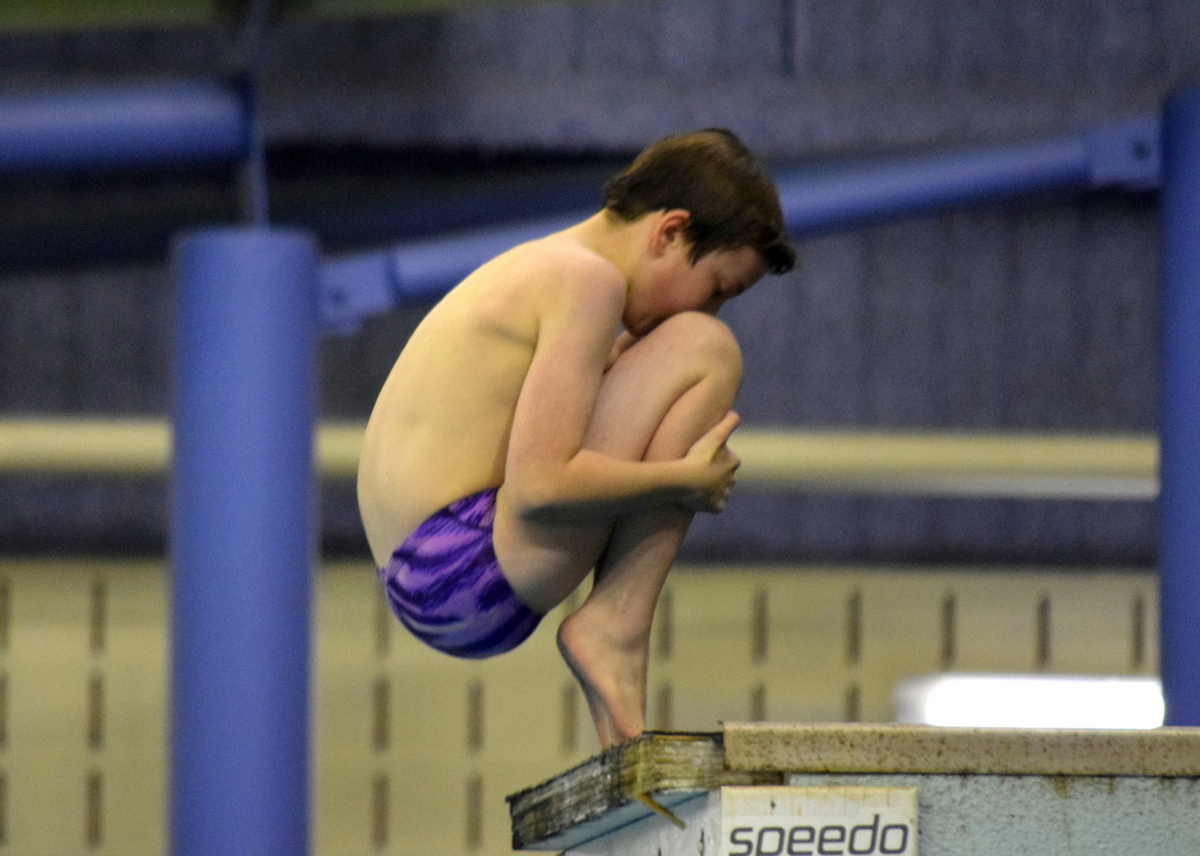
This article is written by young athletes from the North of England who have come together to share their stories. including their experiences of the psychological pressures in competitive sport, working with applied practitioners and what they would like from practitioners in the future.

“I feel brave and ready to do the dive, but when I get on the board I flop and my emotions take over me, like stress, fear, sadness and much more” Gabriel, Springboard Diver, Aged 10

“So basically before a game especially an important game, like a final for example I often get very anxious about the game and have this sort of knotty feeling in my stomach because I’m worried about messing up and it costing my team the game and it’s always before the game and once the game starts it goes away. Having a sports psychologist would help my settle the nerves and possibly make me feel more confident about myself that I won’t mess up, this would help because I would go into the game feeling more confident and that may even make me play better during the game, it would also obviously help me remove that knotty anxious feeling as well” Ashley, Footballer, Aged 18

“Nerves affect my performance as they cause me to become unfocused and therefore I am unable to visualise dives going correctly. They also cause me to become shaky which means I am unable to execute dives correctly, due to the fact that I can’t maintain my balance on the board. I would like a sport psychologist to help me to understand the reason behind my nerves, both when training and competing, so that I can find a way of coping with them in order to improve my performance.” Shauna, Springboard Diver, Aged 17

“Diving is a very mentally demanding sport. Constantly I am having to overcome mental blocks and fears to perform new skills. Often I have spent long periods of time trying to overcome my fears of certain dives and it has resulted in less progress compared to someone who would not struggle with these mental blocks.  Sport psychology would make a large difference to someone like me as working with the brain and helping to find out how to overcome these fears would make a massive difference in a sport like diving. It would allow me to make faster progress and eventually move on to performing harder and more complex dives that will allow me to compete at a higher standard.
From a sport psychologist, I would probably want them to be friendly and welcoming and easy to talk to. This would make me more relaxed and mean I am more comfortable talking about ways in which my brain is thinking about these skills. I think someone who is open minded would also help as everybody thinks differently and the way to be able to overcome these fears will also be different to everybody. A sport psychologist would massively help an athlete like myself in a sport like diving due to its high mental demand.” David, Highboard Diver, Aged 14

The Professional Development of Sport Psychologists across the Career Span

Dr. Hayley McEwan, University of the West of Scotland, @scottishsportps

Most research in sport psychology tends to be athlete-focused or intervention-focused, whereas we are interested in the person behind the sport psychology practice. We see the person as the instrument of service-delivery, and consequently are interested in what influences the person to grow and develop. One way we have tried to extend research on career development in sport psychology is to draw on parallel disciplines such as clinical, and counselling psychology. Through our research we have forged greater links among the applied sport, counselling, and clinical psychology disciplines.

Our aim is that by illuminating the experiences of individuals at different career phases (e.g., trainee, novice, experienced) through our research, it could help guide the selection and planning of professional development opportunities for others. Another aim is to promote the cross-fertilisation of ideas from parallel helping professions (e.g., counselling and clinical psychology). Findings may inform trainee development (e.g., help trainees understand and prepare for changes they will likely experience during their careers). Our results may also be guiding for practitioners at all career phases by drawing their attention to the influences on the optimisation of the self in service delivery.

Some general findings:

  • All types of psychologists emphasized the role of working with clients in learning about service-delivery.
  • Counselling psychologists engaged in mandatory personal therapy as part of training. Trainee sport psychologists did not have to engage in therapy but did so and found it useful for personal and professional development (e.g., working through a personal change like transitioning from athlete to practitioner).
  • Trainee sport psychologists had more influence over their training environments (e.g., selection of clients, creating peer networks, choosing to engage in therapy) than clinical and counselling psychologists.
  • Sport psychologists at all career phases (trainee, early, experienced) are engaged in the ongoing dynamic search for coherence between the person and the profession (termed individuation).
  • Essentially practitioners are trying to feel authentic by aligning the ‘soul and role’.
  • Various sources influence the individuation process such as clients, peers, and therapists. Choosing to work with certain types of clients, in particular environments, using selected schools of thought on psychology could assist the process of feeling authentic.
  • As sport psychologists mature they become influenced from more varied sources, both internal (e.g., supervisors) and external to sport psychology (e.g., personal life events like marriage, and also films, politics). They start to see life through their psychological lenses. 
  • UK sport psychologists perceived development as intermittent due to varied work roles (e.g., academic, researcher, and practitioner). They described intense periods of work in sport psychology where they supported clients at training camps or major games for 2-3 weeks.

References

McEwan, H.E., & Tod, D. (2015). Learning Experiences Contributing to Service-Delivery Competence in Applied Psychologists: Lessons for Sport Psychologists. Journal of applied sport psychology, 27, 79-93, DOI:10.1080/10413200.2014.952460 https://www.tandfonline.com/doi/abs/10.1080/10413200.2014.952460

McEwan, H.E., Tod, D., & Eubank, M. (2019). The rocky road to individuation: Sport psychologists’ perspectives on professional development. Psychology of Sport & Exercise (In press).

To find out more about the development of sport psychologists across the career span follow Hayley on Twitter: @scottishsportps

A network like no other: 15th Annual ENYSSP European Network of Young Specialists in Sport Psychology Conference

Beth Yeoman MBPsS, BPS QSEP Stage II Trainee, @beth_yeoman

Matt Shaw MBPsS, BPS QSEP Stage II Trainee, InnerDrive, @mattshawpsych

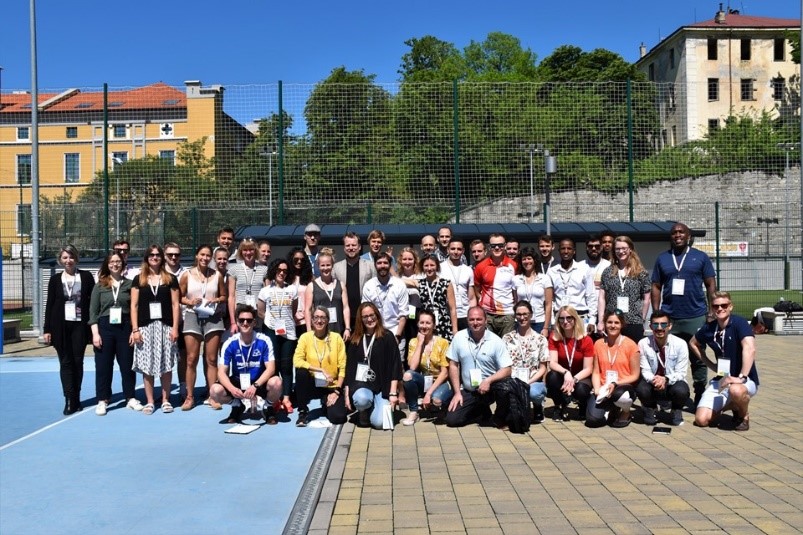
On Thursday 23rd May we arrived in sunny Trieste, Italy along with 130 fellow delegates from 23 countries for the 15th annual European Network of Young Specialists in Sport Psychology (ENYSSP) Conference. Some might be wondering who or what ENYSSP is. The aims of ENYSSP are to give support in education, research, professional practice and service delivery to young people with official qualification or an interest in the field of Sport and Exercise Psychology. As new members to ENYSSP this was our first experience of what the network had to offer and after three days I think it’s safe to say we were impressed.

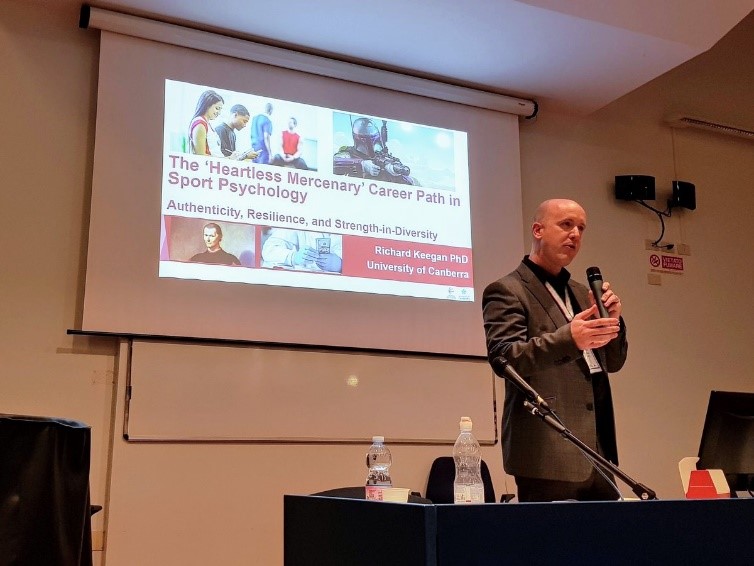
Three keynotes were delivered over the conference. The first was delivered by Dr Claudio Robazza, Associate Professor in the Department of Medicine and Aging science at the University of Chieti-Pescara, Italy who spoke about emotional self-regulation for performance enhancement. The second was delivered by Dr Rita F. de Oliveira whose key note was titled: ‘This girl can be active! … can’t she?’ Within the key note Dr Oliveira described Sport England’s “This Girl Can” campaigned and evaluated its effectiveness in facilitating participation. The last key note was delivered by Dr Richard Keegan of the University of Canberra, Australia. Dr Keegan is a practicing Sport Psychologist and the author of ‘Being a Sport Psychologist’. Dr Keegan’s keynote was titled: ‘The ‘Heartless Mercenary’ Career Path in Sport Psychology: Authenticity, Resilience and Strength-in-Diversity’.

A number of insightful themes came out of Dr Keegan’s key note. Firstly, it was suggested that to be an authentic practitioner it is important to view yourself as a person who is collecting skills, collecting experiences, becoming more capable and remaining the constant throughout all experiences. Secondly, it is advantageous to be ‘antifragile’ by building a career that allows you to push yourself out of your comfort zone. Thirdly, to not be the practitioner who plays the ‘gets results, guaranteed results’ role, but rather be an ethical practitioner who takes their time to empower not only their athletes but themselves too. Fourthly, to love the journey that we are on and at times to view it as a long game, a game that works in our favour the longer we play it.

A welcomed part of the conference was this year’s addition of a panel discussion where we heard from two of Italy’s elite athletes about their journey to, during and after professional sport. With plenty of opportunities to ask questions, it was great to learn more about maintaining elite performance but also transitioning out of it too.  

The three days were also populated with a variety of interactive workshops that covered current considerations in Sport Psychology. There was a mix of research focussed workshops, e.g. ‘Conducting research in sport and exercise psychology – challenges and potential solutions’ and applied practice focussed workshops, e.g. ‘Cracking the coach code: Building trust with old school coaches’.

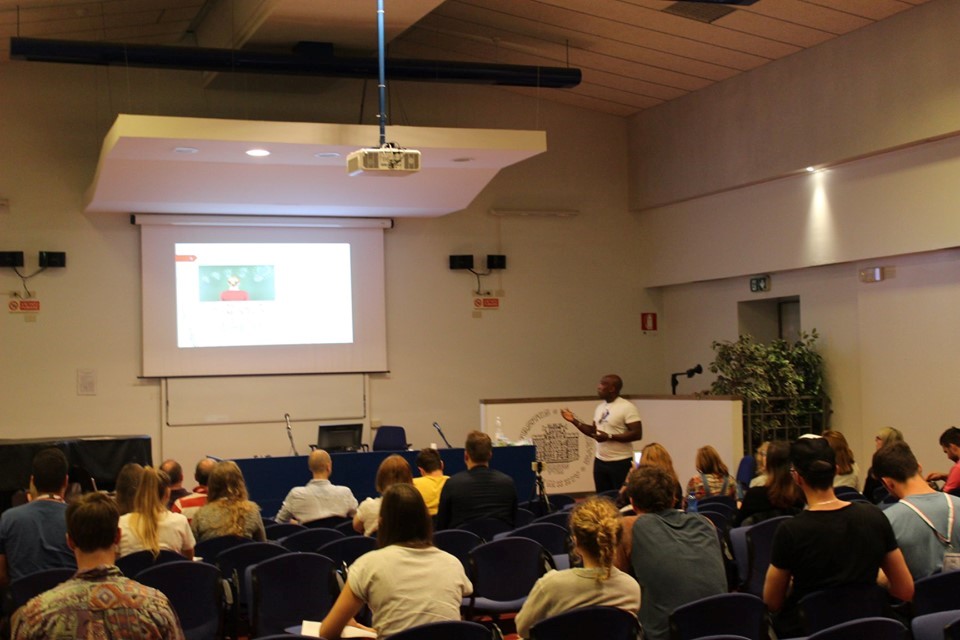
A highlight from the conference was the engaging workshop, “Introduction to mindfulness practice; measuring and understanding the quality of mindfulness”, by Sunny Nwabueze from London. The workshop began with Sunny sharing his personal experiences of mindfulness and key findings from his dissertation on mindfulness practice. We then got the chance to have a go at practicing informal and formal methods of mindfulness followed by discussions of how the experience was for us. As mindfulness is growing in the western culture and within sport, this workshop was valuable in demonstrating how the technique can be implemented into sport practice. 

As well as the insightful key notes and interactive workshops, the conference was a great opportunity to make new connections within the Sport and Exercise Psychology world. Networking was a large focus of the conference with social activities incorporated within the three days. As the majority of delegates were in a similar position to ourselves in that they were just starting their careers in Sport and Exercise Psychology, these networking opportunities were valuable in building contacts, sharing knowledge and sharing experiences.

Furthermore, the keynote presenters were also willing to engage in all activities and share with you their personal journeys in Sport Psychology. Having this opportunity to speak with these individuals who are experts in their fields is a rare occasion and therefore was most definitely a highlight from the conference. Because of these networking opportunities we have come away from the conference with contacts all over the world, which is invaluable in this field of work.

In summary, not only was Trieste great fun and a beautiful city, the conference had great keynotes, workshops, discussions and most importantly great delegates too. The next ENYSSP conference is in Ghent, Belgium from the 16th – 18th  April 2020. We look forward to attending next year and seeing you there too. If you would like to find out more about ENYSSP or next year’s conference, then feel free to contact our UK representative Pete Jackson, pete@petejackson.co.uk, (www.petejackson.co.uk)

Correspondence:

Beth Yeoman, bethyeoman12@gmail.com

Matt Shaw, mshaw@innerdrive.co.uk (www.innerdrive.co.uk)

Technology use with Club Level Gaelic Footballers – some Food for Thought

Photo by Brendan Moran/Sportsfile

Cathal Tweddle, Dromard GAA, @CathalT88

This blog post will give some insight into the lived experience of technology use within club level Gaelic Footballers and the potential implications of such for coaches or psychologists using technology with their athletes. The information and quotes are taken from a qualitative study which I carried out with 6 club Gaelic Footballers as part of my final year undergraduate project in Dublin Business School under the supervision of Dr. Lucie Corcoran.

For those who are unaware of the sport, Gaelic Football is one of four indigenous sports governed by the Gaelic Athletic Association (GAA) in Ireland. It is one of the most popular spectator and participatory sports in the country. A GAA club exists in almost every community on the island of Ireland, with over 2200 GAA clubs in existence throughout the 32 counties, providing native sports for approximately 330,000 participants  All GAA players are amateur and do not get paid for their participation at any level.

Every Gaelic Footballer plays for his/ her local club and they usually play with this club right until retirement. This makes GAA unique from many other sports as transfers between clubs are uncommon and this fosters a deep sense of community and pride in your local area. Each year every club competes for the county championship within their own county. Clubs are graded according to ability across three tiers with junior grade catering for weaker clubs, intermediate grade catering for tier two clubs and senior grade catering for elite clubs within a county. Elite players from club championships are selected to represent their county and compete in the All-Ireland championships which are broadcasted on Sky Sports during the summer, however, exclusively club players represent the vast majority of the association’s playing population.

©INPHO/Lorraine O’Sullivan

To date, research looking at the effect that technology is having on the lived experience of its users in any sports setting has been lacking (Hurley, 2018). The aim of the research was to begin to fill this void by investigating how technology has effected the lived experience of club Gaelic Footballers. I encountered some very interesting themes and results in this regard.

In recent years there has been an ever increasing presence of sports science, strength and conditioning and data analysis present in the preparation of intercounty teams (Kelly, Banks, McGuinness & Watson, 2018). Intercounty teams regularly play in front of 80,000 spectators during championship season and as such heightened levels of preparation come as no surprise. Interestingly however, as technologies have become more readily available and cheaper to access as a whole, the increasingly professional level of preparation observed with elite teams has trickled down to club teams. The use of GPS monitoring, Video analysis and communication tools such as WhatsApp and teamer have now become common place at club level, far away from the bright lights of Croke Park (Hurley, 2018; Martin, Swanton, McGrath, & Bradley, 2017).

Firstly, there was a general positivity towards being able to use technology within the team environment and it was felt that team communication apps such as WhatsApp help in overall team cohesion. It is now easier than ever to organise matches and training sessions. A unique aspect of the GAA is that although many players live in the major cities such as Dublin, Galway and Cork, they still travel home at weekends and sometimes during the week for training sessions and matches with their local club team. Where these drives are untenable during the week, players train on their own or with local teams in the city and send on pictures of their training to the WhatsApp group.

‘if I’m training in Dublin like I can show people that I’m training in Dublin… I don’t feel as if people think I’m not there or not.’

Video analysis was observed to vary greatly in quality. There was a general acceptance that it was worthwhile but often times, because it was implemented by the coach not qualified in the area of video analysis, it was seen to do more harm than good. Some players even admitted to being ‘anxious’ going into the sessions and felt that their confidence was being damaged. One player even suggested that players can became so aware of being constantly highlighted that they can became more conservative in games.

‘if you use too much video work players can become conscious of .. the camera is there and are probably less inclined to take a risk or something or you know deviate at all from the team plan…’

Managers as well as players seemed to display a general lack of understanding of GPS readings. Rather than use it as a tool to monitor training load and help with injury prevention, it was being ‘used as a stick’ to beat players with and pulling them up when their numbers weren’t deemed good enough.

Like anything in life, Individual differences were observed. While some players were motivated by certain tools, others were not, particularly in regards GPS results.

‘I like to see Ok he’s actually running it in that time, I’ll actually maybe try and beat that’

‘I’m not going to do any more running because someone is going to be looking at the GPS numbers’

The most interesting point to come from the study perhaps was that players felt it was taking away from their enjoyment of participating.

‘it can actually maybe detract from the enjoyment of actually just playing sport.’

‘It’s supposed to be an escape from the mundane aspects of life.’

The study has certainly not solved anything nor does it profess to, however, if you are a coach or psychologist using technology with your players or team, it does provide some interesting food for thought. Is your use of technology adding to or taking away from your athletes experience? Do you and your athletes fully understand why you are using a piece of technology? And finally have you considered how your feedback from these tools could effect the athlete going forward both on and off the pitch?

References

Hurley, O. A. (2018). Sport Cyberpsychology. Oxford: Routledge.

Kelly, Banks, McGuinness & Watson. (2018). Playing Senior Inter-County Gaelic Games: Experiences. realities and Consequences. ESRI Research Series. Issue 76. Doi: https://doi.org/10.26504/rs76

Martin, D., Swanton, A., McGrath, D., & Bradley, J. (2017). The use, integration and value of performance analysis to GAA coaches. Journal of Human Sport and Exercise, 12(2.), 492–501. doi:10.14198/jhse.2017.12.proc2.02

Personal Information.

Cathal Twaddle is a GAA coach based in Co. Longford in Ireland. He has competed in Olympic Weightlifting, Rugby, Gaelic Football and Soccer at various levels. Cathal has been involved in coaching teams from the age of 16 and has worked as Assistant Strength Coach with Longford GAA’s Senior Intercounty Footballers as well as coached numerous club teams including Grattan Óg GAA  Club underage teams, St. Mary’s GAA Club Granard Senior Footballers, Co. Longford, Carrigallen GAA Club Senior Footballers, Co. Leitrim and is currently involved with the Dromard GAA Club Senior Football team in Longford. Having previously qualified as a primary school teacher, Cathal has just completed an Undergraduate Degree in Psychology and hopes to continue studying Sports Psychology and in particular Sports Cyberpsychology in the coming years.

If you want to hear more about Cathal’s work follow him on twitter: @CathalT88

FIFA Women’s World Cup: When the favourites don’t slip up!

(c) Anna Gowthorpe/BPI/Shutterstock

Rebecca Chidley (CPsychol) @life_in_sport

It goes without saying that sport provides us with some competitive mismatches. When looking for examples of these it is difficult to look past the FIFA Women’s World Cup currently taking place in France. There is a long way to go in the World Cup but these types of events give us numerous instances of underdogs vs competition favourites. Just this week the USA have beaten Thailand 13-0, with the USA receiving lots of criticism for their approaches. But if you are amongst the favourites to win a competition don’t you want to stamp your authority and gain the advantage over your rivals. The issue is that everyone loves an underdog story so when the favourites get the job done the media have to look for an alternative story.

What do we know about underdogs and favourites?

The very nature of sport means that groups and individuals are in direct competition with each other. From this we are very aware that there are expectations around who will win and lose. These expectations can be based on formal rankings, prior outcomes or differences in ability or resources.

The terms underdog and favourite have been used in several disciplines to describe such instances of clear competitive expectations towards certain outcomes. Common among them is a general definition of underdogs as those who are expected to lose, whereas favourites are expected to win (Kim et al., 2008).

Every sporting scenario provides an example of competitors showing a strong desire to come out on top. However, individuals or teams can approach situations in different ways in relation to their orientations, motivations or goals (Ten Velden, Beersma, & De Dreu, 2009). Favourites and underdogs approach competitions with different motivational orientations which begin with the differing expectations that are held for each. Indeed, the labels underdog and favourite are laden with the very expectations they describe (i.e., to lose and to win respectively) and it is well established that people are sensitive to, and internalize, the expectations that others hold for them (Steele & Aronson, 1995).

(c) Ron Chenoy-USA TODAY Sports

More on the Favourites…

• The favourites often have little to gain by winning (as we have seen from the USA scenario), as the outcome meets existing expectations but in stark contrast they have much to lose if they are outperformed by the underdog.
• The goal of winning is seen as a minimum standard that must be met, and as such, winning becomes an obligation or duty that favourites ought to fulfil to secure their standing (Higgins, 1998). When winning is viewed in these terms, people translate the goal of winning (a positive outcome) into a focus on not losing (elimination of a negative outcome) (e.g., Molden, Lee, & Higgins, 2008).

More on the Underdogs…

• Underdogs are, by definition, expected to lose. As such, they have little to lose but much to gain if they perform better than the favourite.
• Underdogs may feel that winning when a loss is expected will cast their group in an especially positive light, whereas losing will come with few costs because it matches expectations (again with Thailand losing has come with little cost).
• The goal of winning is seen as a maximum standard that one hopes to achieve, and as such, winning becomes an aspiration or an ideal for underdogs to advance their standing (Higgins, 1987). When winning is viewed in these terms, people should be primarily concerned with obtaining a desired positive outcome.

What helped the USA to be particularly effective against Thailand?

  • Manage the expectation – How a team manages the label of ‘favourites’ is key in the build-up to a match. This is something that the USA would be familiar with based on their successful past but when you are building through the phases to retain the world cup this expectation can become overwhelming.
  • Do the basics well – Often when a team is labelled as favourites, they begin to overcomplicate things. The USA stuck to doing the basics well and used their experience really effectively. Working as a team and enjoying the process.
  • No Complacency – It is very easy in these situations to become complacent and lose focus on what you need to do to get the job done. Often teams and individuals assume they have the result before they do! The dangerous “we ‘should’ win” phrase that we hear bounced around in sport. Yes, the USA should beat Thailand but the focus on the process of ‘how’ they will do it is key.

Final Thoughts…
Not every competitive mismatch will see a team like the USA win so comfortably, there will be times when the Underdogs achieve the unthinkable, Every, athlete will face a challenge where they are either seen as the underdog or favourite. How that expectation is managed will be key in breaking down the processes and performance to get the desired outcome.

Despite much of the negativity that has surrounded the USA we need to remember is this is a World cup so of course you will celebrate every goal and be ruthless in your approaches to that. What is does do is remind us of the gulf in resources and funding in women’s football throughout the world. Despite the positive steps forward in some countries it is still a growing sport on the world stage.

Reference List

Higgins, E. T. (1987). Self-discrepancy: a theory relating self and affect. Psychological review94(3), 319.

Higgins, E. T. (1998). Promotion and prevention: Regulatory focus as a motivational principle. In Advances in experimental social psychology (Vol. 30, pp. 1-46). Academic Press.

Kim, J., Allison, S.T., Eylon, D., Goethals, G.R., Markus, M.J., Hindle, S.M., & McGuire, H.A. (2008). Rooting for (and then Abandoning) the Underdog.

Molden, D. C., Lee, A. Y., & Higgins, E. T. (2008). Motivations for promotion and prevention. Handbook of motivation science, 169-187.

Steele, C. M., & Aronson, J. (1995). Stereotype threat and the intellectual test performance of African Americans. Journal of personality and social psychology69(5), 797.

Ten Velden, F. S., Beersma, B., & De Dreu, C. K. (2009). Goal expectations meet regulatory focus: How appetitive and aversive competition influence negotiation. Social Cognition27(3), 437-454.

The Dastardly Drake Dilemma: The potential role of fan behaviour on player attention

(c) Nathan Denette

Jack Brimmell, York St. John University, @JACKBRIMMELL

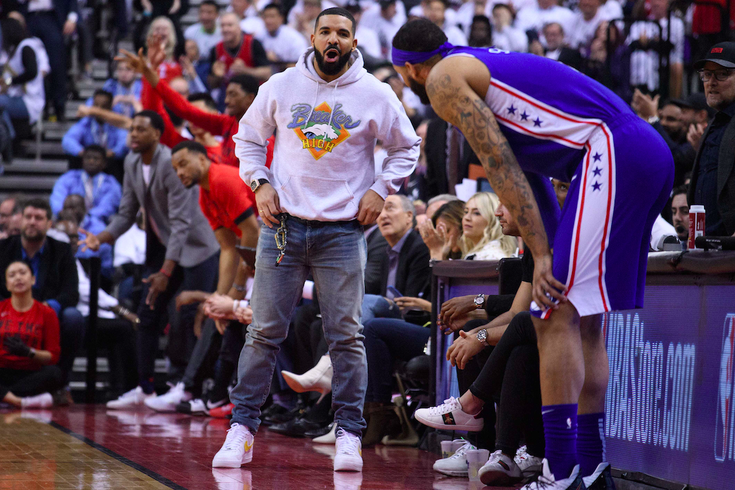
Canadian rapper and Toronto Raptors superfan Drake, is a man who is used to life in the limelight. Typically, that limelight comes from being on a stage in front of an adoring crowd, as you would expect. But recently he has thrust himself onto centre stage at the Toronto Raptor’s NBA play-off game against the Milwaukee Bucks. Within the media, Drake’s antics have received a lot of attention. With particular reference to his unrivalled ability to talk “smack” on the side-line. For example, Professor Adam Earnheardt from the University of Ohio said, “It’s possible that Drake takes some of the pressure off the Raptors by smack talking at opposing players and they can get distracted by yelling back at him.” in an interview for the USA based magazine Fortune. From this quote we can begin to speculate about exactly how Drake is influencing opposing players attention with his distractions. It is reasonable to suggest that in order to retort back to somebody yelling at you, you first need to pay attention to what was said, and second you need to direct attention toward that person to reply. Here in lies a potential key element of the Drake distraction technique. In that, research has built up a pretty substantial claim that the allocation of attention influences performance, particularly under pressure (e.g., Attentional Control Theory; Eysenck, Derakshan, Santos, & Calvo, 2007).

Image result for Toronto Raptors superfan Drake
(c) Vaughn Ridley

Attentional Control Theory suggests that we have two systems that influence our attention allocation (Corbetta & Shulman, 2002). First, the goal-directed system, which is concerned with selecting the most important cues from within the visual field and using this information to make the most appropriate goal-related choice. Second, the evil cousin of this system, the stimulus-driven system. When anxiety and pressure are too high, this system can become over activated, somewhat dampening the effect of the goal-directed system. When this over activation occurs, an individual will tend to miss the more important cues and instead focus too much on stimuli deemed ‘threatening’ (perhaps a certain Canadian rapper calling you things you don’t want to be called!). Now, in reality, the stimulus-driven system isn’t “evil”, it serves an important purpose. Moreover, it is suggested that to be at our most successful we need a balance between these two attentional systems (Eysenck et al., 2007). In finding this balance we will be more likely to pick up appropriate cues from our visual field and perform well, while also considering the potential influence of “threatening” stimuli and adapting the game plan accordingly. Empirical research within this area provides support for this assumption. Brimmell and colleagues (2018) reported that individuals who experienced a cardiovascular response associated with positive interpretations of pressure, were able to allocate significantly more visual attention to both the goal area (goal-directed stimuli), and the goalkeeper (potentially “threatening” stimuli) during a pressurised soccer penalty task.

So, could Drake be considered a “threatening” stimuli when viewed through the eyes of an opposing basketball player? It is difficult to answer with utmost accuracy without empirically testing the situation. But it is theoretically plausible. The overt presence of Drake at these games could be leading opposing players to experience an over activation of their stimulus-driven attention system. Following this, players will miss certain visual cues which may lead to misplaced passes or shots as they are no longer fully focused on the task at hand. Indeed, the influence of Drake has not gone unnoticed by players of the team he aims to spur on. Norman Powell (a forward for the Toronto Raptors) was quoted saying “it’s kind of funny how his love and passion for the game and for the team really affected the opponents.” and “you can see that it’s bothering them a little bit.”. The quote advocates that perhaps members of the Toronto team can see for themselves that their opposition are maybe not quite directing enough attention to the game and that the cause of this may be a particular superfan going wild on the side-line.

Image result for Toronto Raptors superfan Drake
(c) Nick Turchiaro

To conclude, our attention systems have a big impact on performance under pressure. To be at our best we need to strike a balance between these systems. In certain moments individuals may experience over activation of their stimulus-driven system which will direct attention away from the goal (e.g., winning a basketball game) and instead, direct attention towards the ‘threatening’ stimuli (e.g., Canadian rappers named Drake), resulting in a sub-optimal performance. Also, it appears that certain players on the Raptors current NBA play-off final opponents, the Golden State Warriors, are seemingly unphased by Drake’s actions. Stephen Curry claims to find Drake’s antics “entertaining” – whether this is the case, or if this is reverse psychology to combat Drake, remains to be seen. While the role of celebrity superfan is something that the NBA has come to accept, it’s certainly changed a lot from a calm and collected Jack Nicholson quietly supporting the L.A. Lakers to the current “performances” of Drake. On a personal level, I believe that perhaps the best way to improve as a performer is to perform (or try to) in unique, novel, pressure inducing situations. That being said, it’s as fine line between creating a potential environment for growth and being out-right outrageous in your actions, and I’m not convinced Drake falls the right side of that line. Finally, and taking nothing away from some fantastic performances, the 3-2 series lead the Raptors currently have may suggest the Drake distraction dilemma has not yet been thwarted.


References

Brimmell, J., Parker, J., Wilson, M. R., Vine, S. J., & Moore, L. J. (2018). Challenge and threat states, performance, and attentional control during a pressurized soccer penalty task. Sport, Exercise, and Performance Psychology, 8(1), 63.

Corbetta, M., & Shulman, G. L. (2002). Control of goal-directed and stimulus-driven attention in the brain. Nature Reviews Neuroscience, 3(3), 201.

Eysenck, M. W., Derakshan, N., Santos, R., & Calvo, M. G. (2007). Anxiety and cognitive performance: attentional control theory. Emotion, 7(2), 336.

If you want to find out more about Jack’s work follow him on twitter: @JACKBRIMMELL

Performance Enhancing Drug use in the Military

Dr Ian Whyte, University of Sunderland

The use of performance and image enhancing drugs (PIEDS) is a highly publicised problem within sports, with athletes testing positive on a regular basis, for example nine UK athletes faced a ban for PIEDS use in 2018 alone! However, less is known about the use of PIEDS in other highly physical and demanding professions such as the armed forces. National newspapers have picked up on the issue of PIEDS use in forces personnel (e.g. Shute, 2013, “Is body-building bad for soldiers’ health?” Daily Telegraph) and research studies have been conducted with current members of the UK armed forces (e.g. Casey et al, 2014). However, there have been little to no follow-up or separate studies to consider the usage of PIEDS among ex-Service personnel or those in transition. Given the potential health and social consequences of PIEDS use, it is important that this gap in knowledge is filled.

A research team based at the University of Sunderland lead by Dr Ian Whyte are aiming to find out just that. The project is funded by Forces in Mind Trust (FiMT) and aims to understand why ex-service personnel use performance and image enhancers. The study also aims to increase the understanding of when ex-service personnel began using PIEDS, as well as the overall knowledge base of military veterans surrounding PIED use and its consequences. This research aims to further the current literature in relation to the motivations, perceptions and experiences of PIEDS users who have served in the military.

PIEDS use has become a health concern within the wider community, and the armed forces are a community that could potentially be more vulnerable to the lures of PIEDS due to the physical and emotionally demanding nature of military service. This research will allow the armed forces and veteran communities to better understand if PIEDS use is a problem within ex-service personnel and how best to support this group moving forwards. The research team are currently conducting a systematic review of the current literature relating to PIEDS use in military service personnel and veterans. This will then be followed by a mixed methods investigation into PIED use in a North East military veteran sample.

Watch this space for more about this study